
What Actually Happens Behind the Scenes of an Interior Design Project
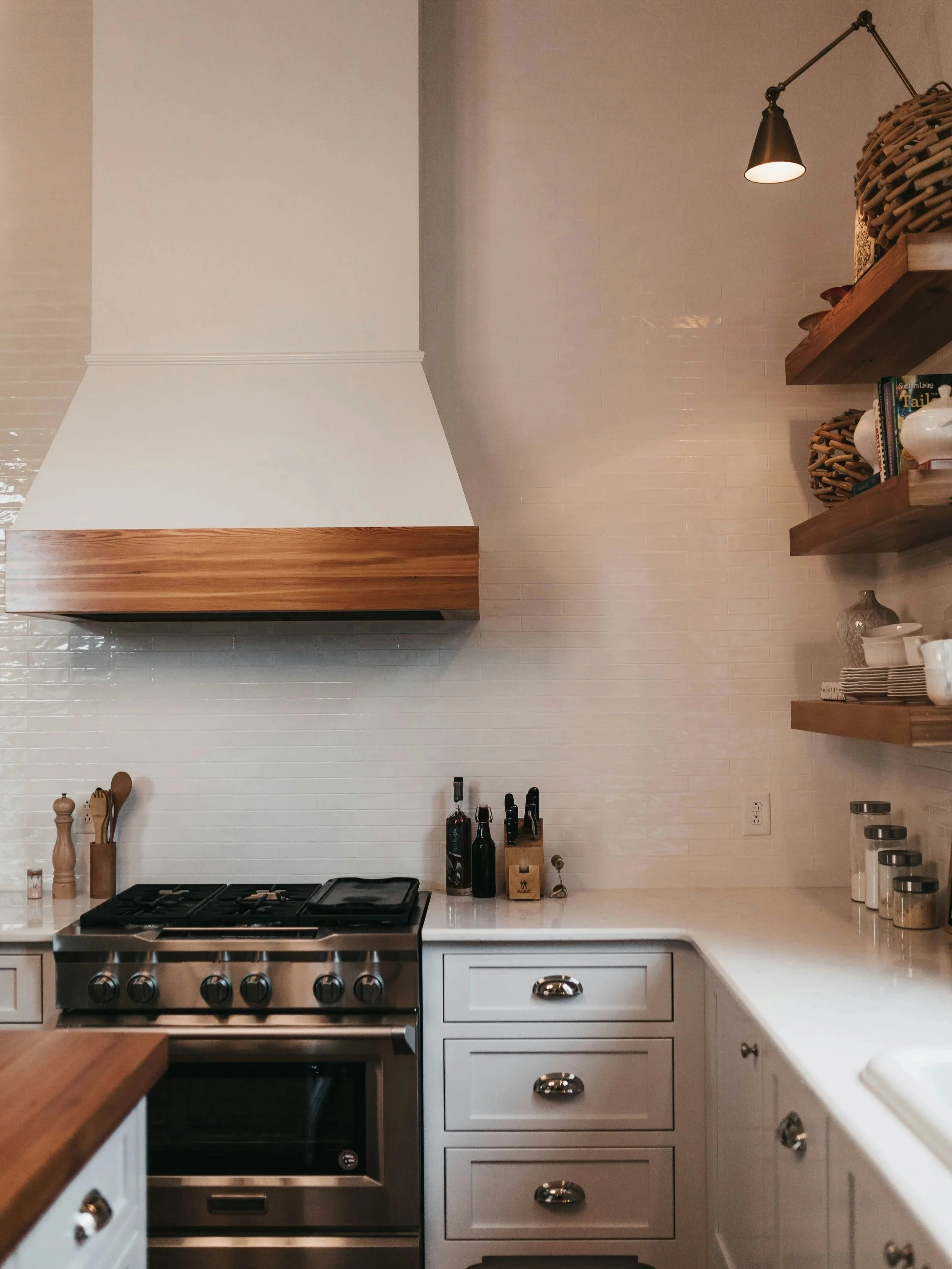
"So, what do you actually do?"
I get this question at dinner parties, at kids' football games, basically anywhere I mention that I'm an interior designer. And I get it—if you've never worked with a designer before, the process can seem mysterious. Does someone just show up, wave a magic wand, and suddenly your living room looks like something out of Architectural Digest?
(Spoiler alert: there's no magic wand, though I keep looking for one.)
The reality is so much better than magic, though. It's part detective work, part creative problem-solving, part project management, and part therapy session. Let me pull back the curtain on what actually happens when you work with an interior designer—specifically, what happens when you work with First District Designs.
It Starts with Listening (Really Listening)
Before we talk about paint colors or furniture styles, we talk about you. How do you actually live in your space? What's working? What drives you absolutely up the wall? Where do you find yourself spending the most time, and why?
I once had clients who kept apologizing for always eating dinner at the kitchen island instead of their formal dining room. They felt guilty about it, like they were using their home "wrong." But when we talked through their actual weekday routine—two working parents, two young kids, homework, activities, the chaos of modern life—it became clear that the island was exactly where they should be eating dinner. It was central, it was casual, and they could supervise homework while cooking.
So we didn't try to make them use the dining room more. Instead, we made the island area even better: comfortable counter stools that could withstand nightly use, a lighting scheme that worked for both cooking and eating, clever storage for the homework supplies that kept migrating there. The dining room became a flex space they actually used for game nights and weekend projects.
The lesson? Your home should adapt to your life, not the other way around.
The Part You Don't See: Research and Planning
After our initial meetings, there's a phase where I basically disappear into my office and work some behind-the-scenes magic (okay, maybe there's a little magic). I'm:
Measuring everything, sometimes multiple times, because there's nothing worse than ordering a perfect sofa that's two inches too long for the space
Creating floor plans and testing different furniture arrangements—you'd be amazed how many ways there are to lay out a single room
Researching products and materials, comparing durability and lead times and price points
Sketching ideas and creating mood boards
Reaching out to contractors, vendors, and artisans to discuss what's possible
Thinking through the flow of your entire home, not just individual rooms
This is the unglamorous part that no one sees on design shows, but it's where so many important decisions happen. It's where we make sure that your beautiful new kitchen will actually function for how you cook, or that your renovated bathroom will have storage for everything you actually own (not just what looks pretty in photos).
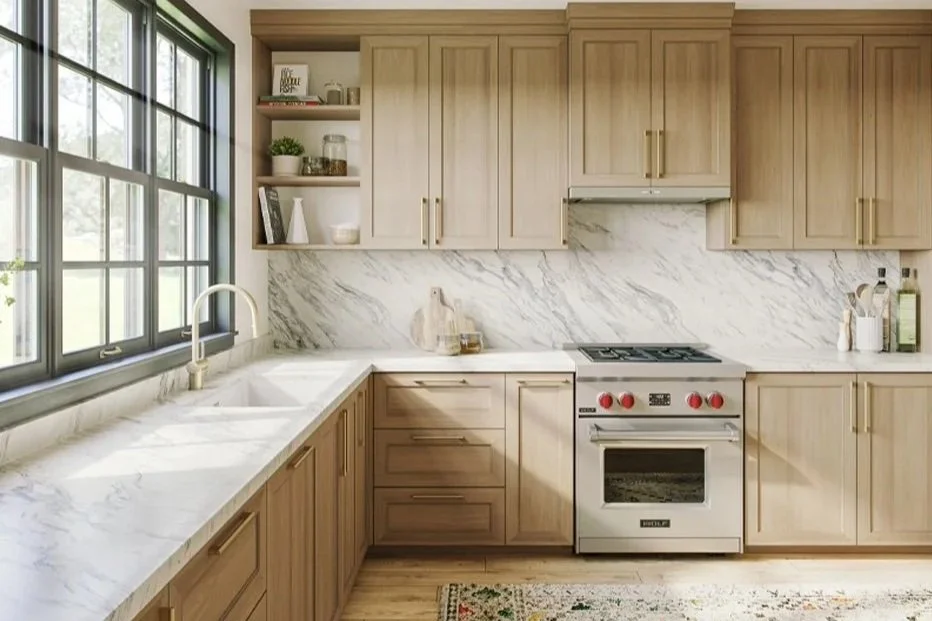
The Presentation: Where It Starts to Get Real
When I present a design concept to clients, I'm always a little nervous. Will they love it? Will they think I'm completely off base?
The best moments are when clients see their space in a way they never imagined. "Wait, we could put the sofa there?" "I never thought about using that wall for storage!" "This color... I would have never picked it, but I love it."
But presentations aren't one-sided. This is where we refine things together. Maybe that rug is perfect but the budget's tight, so we find an alternative. Maybe you love everything except the dining chairs—no problem, we'll find different ones. Good design is collaborative, not dictatorial.
I remember working on a Capitol Hill rowhouse where the clients absolutely loved the design concept but were worried about one thing: their toddler. "Will this be okay with a two-year-old?" they kept asking.
So we adjusted. We found a gorgeous fabric that could handle spills. We designed coffee table with rounded corners and a storage ottoman that could contain toys. We created a built-in bench with washable cushions. The result was still beautiful—and it was functional for their actual, current life with a messy, wonderful toddler.
The Implementation: Where I Become a Project Manager
Here's what people don't realize: so much of interior design is project management. Once we've finalized the design, I'm:
Ordering furniture and materials (and tracking all of it, because inevitably something gets delayed)
Coordinating with contractors, painters, electricians, and plumbers
Doing site visits to make sure everything's progressing correctly
Making quick decisions when unexpected issues come up (and they always do)
Adjusting timelines when that custom piece is running three weeks late
Being the point person so you don't have to field calls from seven different vendors
For renovation projects—kitchens, bathrooms, full gut rehabs—this phase is especially crucial. Construction is chaotic by nature, and having someone who's managing the moving parts, making sure everyone's communicating, and keeping the project on track is invaluable.
The Unexpected Challenges (Because There Are Always Some)
In all my years doing this, I've never had a project go exactly according to plan. And that's okay—it's part of the process.
Maybe we open up a wall and discover plumbing that needs to be moved. Maybe that perfect light fixture is discontinued (the week after you fell in love with it). Maybe the paint color that looked amazing on the sample looks completely different on your actual walls. Maybe supply chain issues mean we're waiting four months for a sofa instead of the promised eight weeks.
This is where experience matters. I've learned to build buffer into timelines, have backup options ready, and stay calm when things go sideways. More importantly, I keep clients informed. No one likes surprises, especially expensive or time-consuming ones.
The Reveal: My Favorite Part
Installation day is controlled chaos. Furniture arrives, art goes up, rugs get positioned and repositioned, styling happens. There's usually a moment mid-day where the space looks worse than when we started, and I have to reassure everyone (and myself) that it's going to come together.
And then it does.
The moment when clients walk into their finished space and it clicks—that's why I do this. Sometimes they tear up. Sometimes they laugh. Sometimes they just stand there quietly taking it in. Recently, a client walked into her new kitchen, ran her hand along the counter, and said, "I'm going to love making coffee here every morning."
That's it. That's the job.
After the Project: The Real Test
The best feedback comes weeks or months after a project wraps up. Clients tell me they're cooking more because their kitchen makes them happy. Their kids love reading in the window seat we built. Their home office makes them more productive. They've hosted more dinner parties in the past three months than in the past three years.
A home that works for how you actually live—that's the goal of every project. Not just a pretty space, but a functional, welcoming, gezellig home that makes your daily life better.
The Part That Never Changes
Through all the trends and styles and Pinterest boards, what never changes is this: good design is about people. It's about understanding how you live, what you value, what brings you joy. It's about solving problems creatively. It's about making spaces that feel like they've always been yours.
And yeah, it's about picking the right paint color and finding the perfect rug and knowing which contractor to call. But mostly, it's about creating homes where life happens beautifully.
That's what we do behind the scenes. That's what happens when you work with a designer who's as invested in your home as you are.
Is it magic? Not quite. But watching a client fall in love with their home again? That comes pretty close.
Curious about what a design project could look like for your DC home? Whether you're dreaming of a kitchen renovation, a whole-home refresh, or just need help making one room work better, First District Designs is here to help guide the process from start to finish.