
10 Lessons from 10 Years of Designing Family Homes
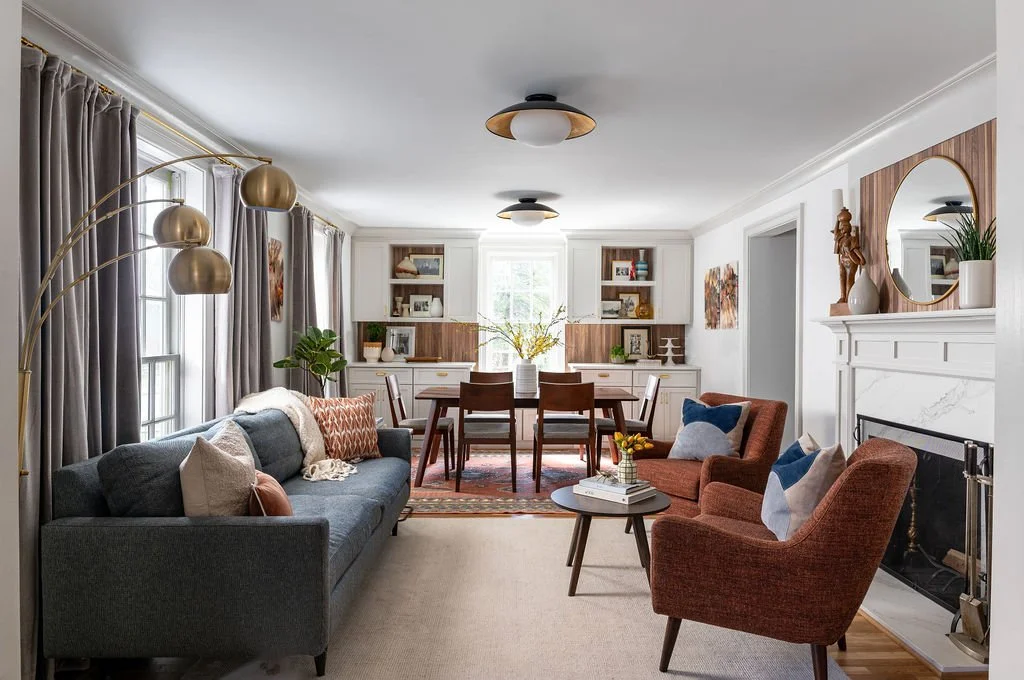
Ten years ago, I wouldn’t dare say I was an interior designer. I was a mom who wanted her home to feel better, calmer, cozier. I was a friend willing to help others find the perfect paint color or the right fabric for a new sofa. While I did not have a degree in interior design, I did have an eye for design, a deep conviction that homes should feel good, and a willingness to figure it out.
A decade later, I've built a successful interior design business that helps families across the DC area transform the way they live. Along the way, this work has taught me things no classroom could. So in honor of ten years, here are the ten truths I keep coming back to, for my clients, and honestly, for myself.
1. Design is really about how a space feels, not how it looks.
Pretty rooms photograph beautifully. But a well-designed room? You feel it the moment you walk in. There's a reason I built this practice around the idea of emotional architecture — the quiet, intentional work of making spaces that support the way you actually live. If a room looks stunning but makes you anxious, it's not the right design for you. Full stop.
2. The home you have is closer to the home you want than you might think.
Most clients come to me believing they need to start over. The truth is that they don't. In most cases the bones are good and the pieces are there — they just need a new arrangement, a layer of warmth, a few intentional swaps. That realization that your home isn't broken, that it just needs a little direction, changes everything.
3. Small changes create the biggest shifts.
I've seen a single light fixture change the entire mood of a room. A rug. A gallery wall. A new chair. A different dining table. The transformation doesn't have to be a gut renovation to feel like one. This is especially true for busy families who want low-impact changes, not a six-month construction zone.
4. Families change — and homes need to change with them.
The family you are today is not the family you will be in five years. Kids grow—and no one knows this better than a mom of three kids ages 9 to 17—and the needs of a family changes over time. My best work doesn’t just focus on what is right for right now, My best designs are flexible, livable, and ready to evolve. A home that grows with you is a home that you'll never want to leave.
5. Trusting the process is the hardest — and most important — part.
Every client experiences a moment of doubt. The paint color… it looks… different. The room is half-finished and the furniture hasn't arrived yet. Their inner voice starts to get louder: “Did I make the right choice?” I’ve learned to embrace this moment because I know that what comes next is the shift. I invite my clients to lean in to the discomfort of the unknown, and trust that the vision will come together. They're always the ones standing in their finished space saying, "I can't believe this is my house."
6. Gezellig over trends. Every. Single. Time.
Gezellig—the Dutch concept of warmth, connection, and comfort that I’m always talking about— is at the heart of everything I do. Trends come and go (goodbye, buzz-worthy design; hello, whatever's next). But a home that feels cozy, personal, and genuinely yours never goes out of style. I want to give you a home you love in ten years, not one that looks good on my Instagram stories.
7. The best homes are designed for real life, not Instagram.
Speaking of which — your home is not a showroom. It's where your kids do homework after school, where you have coffee in your pajamas, where the dog has claimed the good chair. Good design makes that life feel beautiful. Not a curated, perfectly lit version of a beautiful life.
8. Good design is an investment, not an expense.
I know this might feel like something designers say to justify their fees, but hear me out. A well-designed home reduces daily friction, increases how much you love being there, and—when the time comes—adds real value to a sale. The clients who have treated design as an investment have never once told me they regretted it.
9. You don't need to know your style. That's my job.
"I don't really know what I like" is something I hear in almost every initial phone conversation. And it's completely fine! Most people know what they don't want before they know what they do. Part of my job is to ask the right questions, listen carefully, and translate your life into a design language that didn't even know you had. You bring the life; I bring the vision.
10. Confidence comes from doing the work, not having a title.
I didn't plan to become a designer. I became one because I cared deeply about how spaces affect the people inside them, Then I kept showing up to do the work. Ten years in, that belief hasn't changed. The title followed the commitment. And I think that's true of the homes I design, too. The spaces that feel right are the ones built from real intention, not just credentials or price tags.
Here's to the next ten
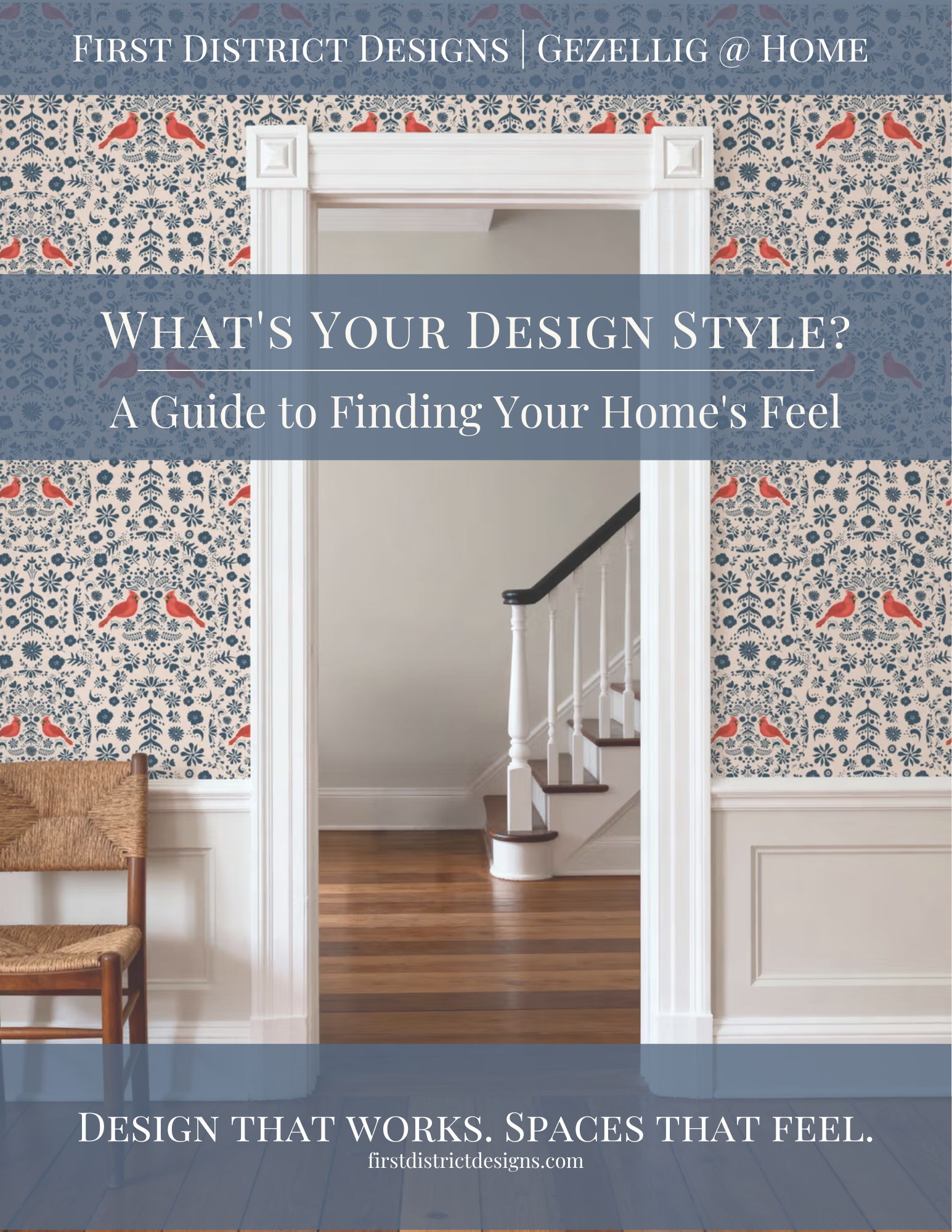
If any of these lessons landed for you, or if you're sitting in a home that doesn't quite feel like you—I'd love to help you change that with a design guide created for moments like this.
Download: What's Your Design Style? A Guide to Finding Your Home's Feel
It's the first conversation I have with every new client — now in your hands. No design background required.